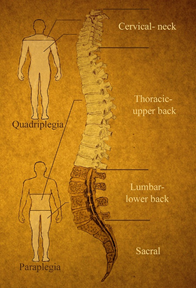
La moelle épinière transmet les informations entre le cerveau et le reste du corps. Les lésions de la moelle épinière, qui touchent actuellement quelque 333 000 Européens, peuvent entraîner une paralysie. Les lésions de la moelle épinière peuvent se manifester de différentes manières, selon la région de la colonne vertébrale touchée. Il n'existe actuellement aucun traitement efficace. Les techniques de thérapie génique et cellulaire pourraient-elles aider ?
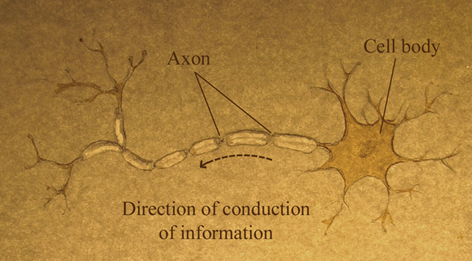
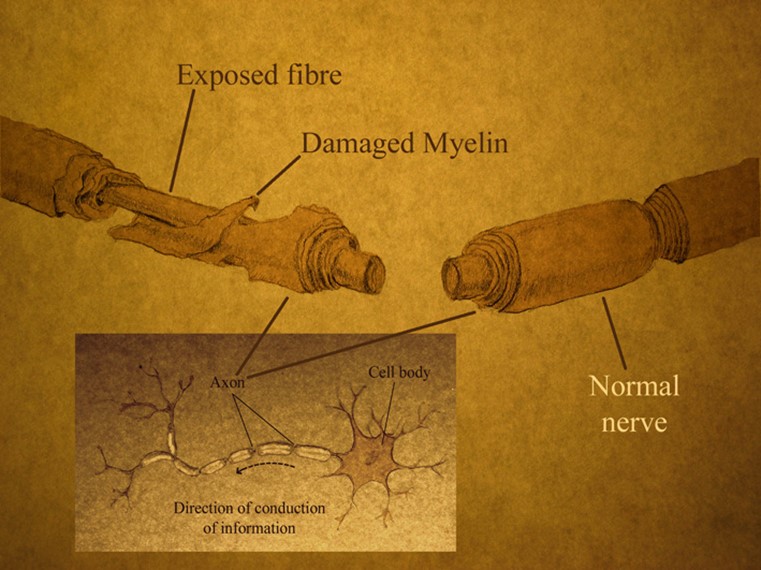
A spinal cord injury is complex, involving different kinds of damage to different types of cells. The environment of the spinal cord changes drastically during the first few weeks after injury. Immune cells flow in, toxic substances are released from damaged tissue, and a scar is formed. A combination of therapies is needed, acting at the appropriate time-point and on the correct targets.
Studies in animals have shown that a transplantation of stem cells or stem cell-derived cells may contribute to spinal cord repair by:
- Replacing the nerve cells that have died as a result of the injury;
- Acting as a neuronal relay across the injury to re-connect injured spinal cord
- Generating new supporting cells that will re-form the insulating nerve sheath (myelin)
- Protecting the cells at the injury site from further damage by releasing protective substances, such as growth factors, and soaking up toxins which are released into the spinal cord shortly after injury.
- Preventing spread of the injury by suppressing the damaging inflammation that can occur after injury
Different cell types, including stem cells, have been tested in these studies. These studies have used stem from a variety of sources, including brain tissue, the lining of the nasal cavity, tooth pulp, and embryonic stem cells. These studies have mostly been conducted in rat models of spinal cord injuries. None of these studies have yet produced more than a partial recovery of function; however, it is an active area of research, and several different types of stem cell are being tested and modified.