
Heart disease: how could gene therapy help?

Autres sujets associés  Heart Disease Gene Therapy Gene Editing

About the heart

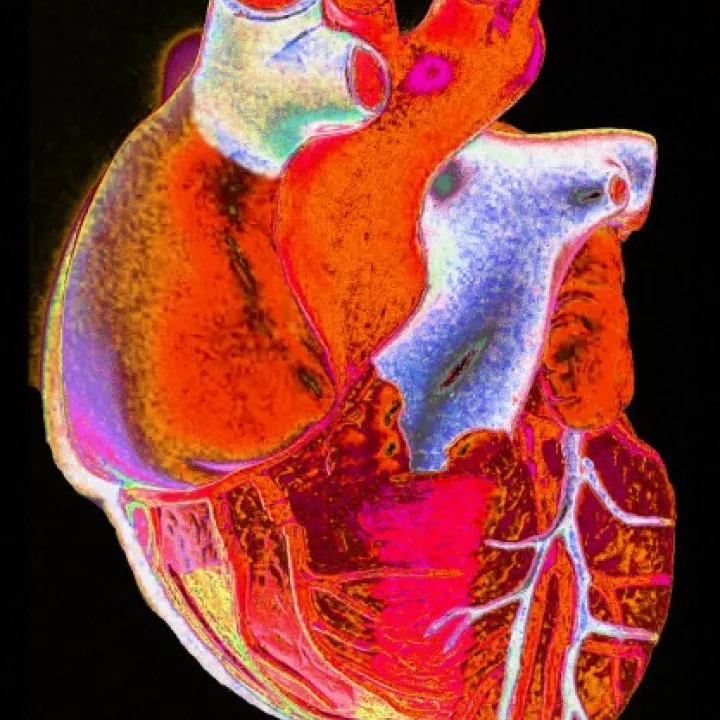
The heart is a muscle, and its job is to pump blood around the body. It does this by contracting, or squeezing, in rhythm, to push blood out through the blood vessels. Each contraction forces blood out of the heart, then the muscle relaxes, allowing the heart to refill with blood before the next squeeze. Blood carries the oxygen and nutrients that every cell in the body needs to survive, and it carries away the waste products that cells produce.

The heart is made up several different cell types, including:   

  • Cardiomyocytes: the muscle cells that make it possible for the heart to contract.   

  • Pacemaker cells: a small population of cells that control the rhythm of the heartbeat, by generating electrical signals that tell the heart muscle when to contract.  

  • Fibroblasts: produce and maintain the connective tissue that helps the heart hold its shape under the constant mechanical stress of beating.  

  • Smooth muscle cells: found in the walls of the blood vessels that supply the heart, helping to regulate blood flow into the heart muscle.

The heart is the first organ to form during development of the body. When an embryo is made up of only a few hundred cells, each cell can get the nutrients it needs directly from its surroundings. But as the cells divide and multiply to form a growing ball, it soon becomes impossible for nutrients to reach all the cells efficiently without help. The cells also produce waste that they need to get rid of. Thus, the first organ system to develop is the heart, blood and circulatory system, so that nutrients and waste can be transported throughout the growing embryo. The heart continues carrying out this vital job throughout our lives.
Heart Disease

When the heart can't do its job properly, it puts a person's life at risk. According to the World Health Organization, more people die from heart and blood vessel diseases (cardiovascular diseases) than from any other cause. In 2022, an estimated 19.8 million people died from these conditions worldwide -  about 32% of all deaths. 

"Heart disease" is a broad term that covers many different conditions, including: 

  • Conditions that reduce or block blood flow to the heart 

  • Heart failure 

  • Diseases of the heart muscle (cardiomyopathy) 

  • Problems with heart rhythm — beating too fast, too slow, or irregularly (arrhythmia) 

  • Conditions inherited from parents 

  • Conditions present from birth (congenital heart disease) 

What is Acute Myocardial Infarction (heart attack)?

Like all muscles, the heart needs a steady supply of oxygen to keep working. An acute myocardial infarction (heart attack) happens when heart muscle cells (cardiomyocytes) start to die from lack of oxygen.  

The most common cause is a blood clot blocking off one of the coronary arteries, cutting off blood flow to part of the heart. 

Heart attack symptoms can differ between men and women. Men more often feel pain down the left arm, while women are more likely to feel nauseous or have abdominal pain. 

What is chronic coronary heart disease?

The arteries that supply blood to the heart can gradually narrow over time. This happens when fatty material, including cholesterol, builds up inside the artery walls, a process called atherosclerosis. As the arteries narrow, less blood (and so less oxygen) reaches the heart. This can cause chest pain (called angina) and breathlessness.  

Chronic coronary heart disease can lead to a heart attack if the fatty build-up tears open. This triggers a blood clot, which can fully block blood flow to part of the heart.

Current Treatments

Most heart disease treatments aim to ease symptoms, improve blood flow and stop further damage to the heart. 

How could gene therapy help?

There are currently no approved gene therapies for heart disease. However, researchers are working hard to change that. Because heart disease covers so many different conditions and causes, scientists are testing many different gene therapy approaches. This fact sheet contains just a few examples.

Targeting the genetic cause of heart disease

 In cases where a heart disease has a known genetic cause, it may be possible to treat the condition by targeting the underlying genetic cause. Clinical trials are currently under way in people with genetic heart conditions. However, these are still early-stage trials with small numbers of patients. Longer, more detailed studies will be needed to confirm whether these treatments are effective and could be approved for use.

Transthyretin amyloid cardiomyopathy (ATTR-CM). 

Transthyretin (TTR) is a normal protein made mainly by the liver. Its job is to carry hormones and vitamin A through the blood to where they are needed in the body. In ATTR-CM, a gene variant causes the liver to make a form of transthyretin protein with the wrong shape. Clumps of this protein build up in the heart, causing it to stiffen and weaken, which can lead to heart failure. 

One clinical trial tested a gene therapy designed to stop the liver from producing the abnormal protein. The therapy is carried by tiny fat bubbles called lipid nanoparticles straight to the liver, where TTR is made. Once inside liver cells, it uses a gene editing tool called CRISPR to cut the TTR gene at a precise spot. The cell's repair process disables the gene permanently, so the liver stops producing TTR. Participants in the trial showed a large drop in the amount of abnormal transthyretin in their blood.

Familial Hypercholesterolemia 

About one in 250 people have a gene variant that causes higher than usual levels of harmful cholesterol, which can clog arteries and raises the risk of heart disease and stroke. FH is one of the leading causes of heart attacks in younger people. Scientists are working on a single treatment that switches off the mutated gene responsible, called PCSK9, lowering the amount of cholesterol made.  

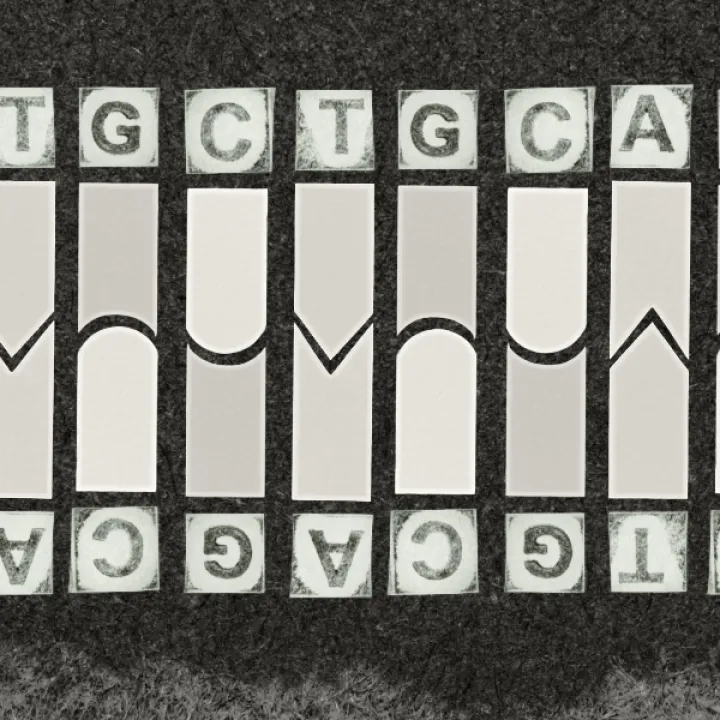
The therapy is given as a single infusion into the blood. It is carried by lipid nanoparticles into the liver. Once inside liver cells, the therapy uses a tool called a base editor. Unlike some gene editing tools, a base editor does not cut the DNA strand. Instead, it works by changing a single letter in the genetic code of the PCSK9 gene. This disrupts the gene, so it can no longer produce the PCSK9 protein. With PCSK9 switched off, the liver becomes better at clearing LDL cholesterol from the blood, so cholesterol levels drop and stay lower long term, ideally after just one treatment. 

 This approach is currently being tested in clinical trials.  Early results have been encouraging, with some trials showing drops in cholesterol after just one treatment.

Although there have been some successful clinical trials of gene therapies for heart disease, there are still challenges which researchers are trying to tackle. In order to develop gene therapies, scientists need to understand the underlying genetic cause of a problem, which requires more basic research to better understand the function of the heart and its cells. Not all kinds of heart disease will be suitable for treatment with gene therapy. 

Both of the therapies described here target the liver. It is much harder to deliver a gene therapy directly to the heart.  

Heart gene therapy delivery methods

Right now, getting enough of a gene therapy into heart cells is hard. But scientists are working on better delivery methods, including tiny fat-based bubbles called lipid nanoparticles, and improved versions of the viral vectors used to carry gene therapies into cells. If these new delivery methods work well, doctors might be able to use much smaller doses of gene therapy and still get it to the heart effectively, whether it's injected into the bloodstream or directly into the heart itself. That would make gene therapy for heart disease much more practical to develop and test. 

Gene therapy to support other treatments

Not all gene therapy research aims to replace existing treatments. Some studies are testing whether gene therapy can make a current treatment work better.  

A coronary artery bypass graft (bypass surgery) creates a new route for blood to reach the heart, usually using a vein taken from the patient's leg. When a leg vein is used as a graft, it has to cope with much higher blood pressure than it normally would. In response, cells in the wall of the vein called smooth muscle cells start to multiply and move into the inside lining of the vessel, gradually narrowing it from within. Over time, this narrowing, combined with fatty buildup, can cause the graft to fail. 

TIMP-3 is a protein that normally helps control this kind of cell overgrowth. The gene therapy delivers extra copies of the TIMP-3 gene to the vein, so the vein produces more TIMP-3 than usual. This helps stop the smooth muscle cells from multiplying and migrating, keeping the graft wider and healthier for longer. 

Because the vein is removed from the leg before being attached to the heart, doctors can treat it directly with the gene therapy outside the body, before it's ever connected to the bloodstream. This is different to most gene therapies, which are usually given by injection into the body itself. This means that it’s much easier to get the therapy to the right cells.  

Regenerating damaged heart tissue

Normally, the adult heart cannot grow new muscle cells once they are lost, for example after a heart attack. Scientists are exploring whether gene therapy can switch on the signals that tell heart cells to grow and divide, encouraging the heart to repair some of the damage. This research is still at an early, experimental stage, mostly in animal studies, but it points to an exciting future possibility: gene therapy that does not just stop a condition getting worse, but actually helps the heart regenerate.

Some scientists are also working on cell-based approaches for regenerating the heart. You can read about them in our fact sheet 'Stem Cells in the Heart'. 

Next steps

The first approved gene therapy for heart disease remains a goal researchers are working towards. The field is active, with many different approaches being tested. New technologies are improving how therapies are delivered to the heart, advances in gene editing are helping treat conditions caused by a single faulty gene, and scientists are learning more about how to fine tune these therapies for the best effect. Making treatments safer, more effective, and cheaper is a key priority, and collaboration between researchers, doctors, and patients will help speed up progress. Scientists are optimistic that gene therapy could one day bring real benefits to people with heart disease. 

Le contenu de cette page vous a-t-il été utile ? Envoyez-nous vos commentaires
-
Your feedback helps us keep EuroGCT online. Please can you take 30 seconds to answer these quick questions?
How would you rate your experience using EuroGCT.org today?
Poor
Great
Is the information on this website understandable?
Not at all understandable
Very understandable
Is the information on this website useful?
Not at all useful
Very useful
Is the website easy to use and navigate?
Not at all easy
Very easy
Why are you interested in gene and cell therapies and research?
CAPTCHA
Cette question sert à vérifier si vous êtes un visiteur humain ou non afin d'éviter les soumissions de pourriel (spam) automatisées.